



How Mid-Office Automation Cuts Booking Errors
Booking errors in travel agencies are rarely caused by one-off mistakes, they are usually the result of manual, disconnected workflows across booking, pricing, ticketing, and accounting systems. As volume increases, so does the cost of these inefficiencies.
These errors don’t just create operational friction. They lead to reissued tickets, pricing discrepancies, supplier disputes, and time-consuming back-office corrections that directly impact margins.
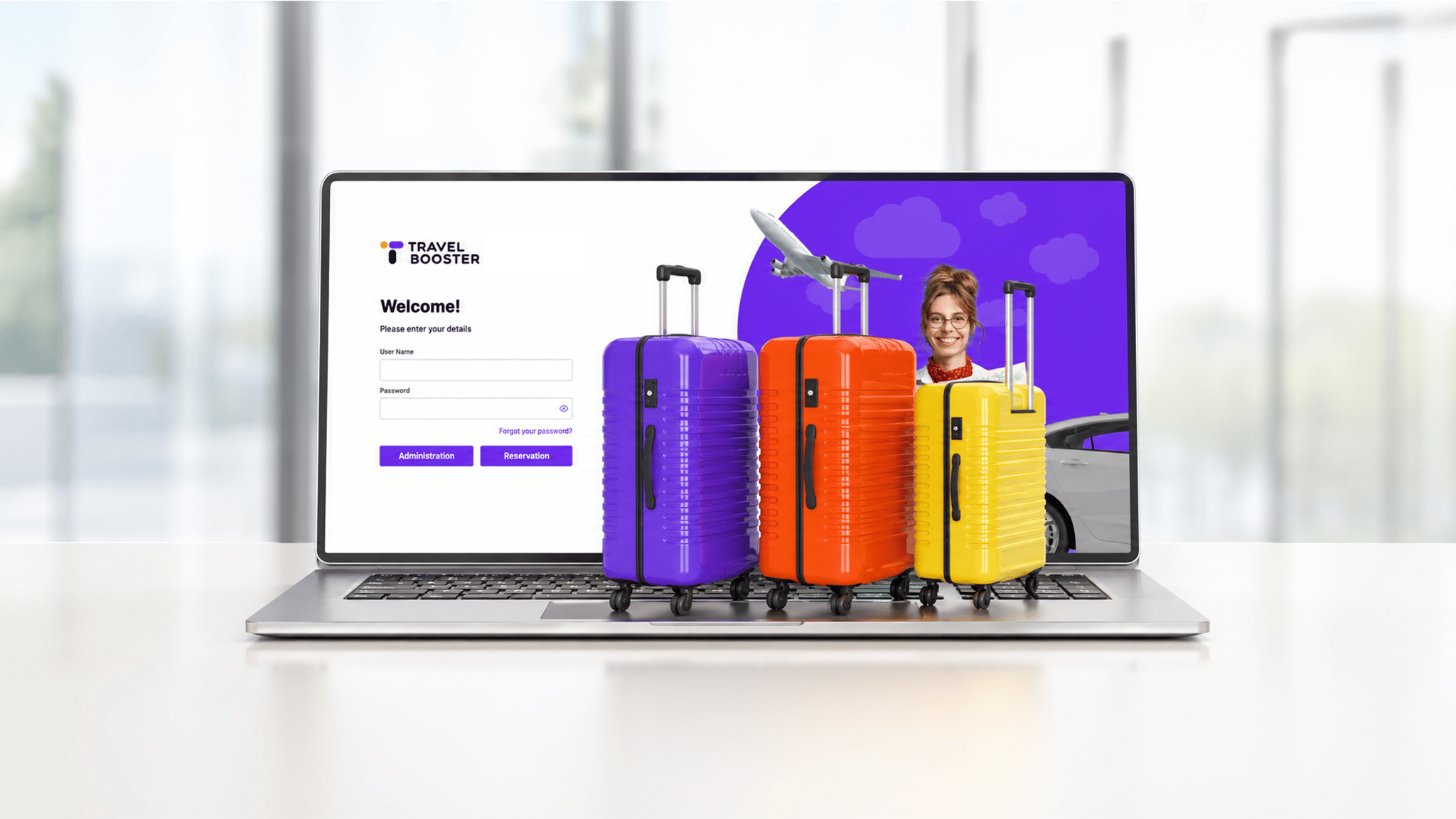
This is exactly where mid-office automation systems, such as Travel Booster, change how modern travel agency operations are run; by connecting systems, enforcing consistency, and removing manual touchpoints that introduce avoidable errors.
Why Booking Errors Are Costing Your Agency More Than You Think
Most agencies underestimate how expensive booking errors actually are, not because of one major failure, but because of the constant accumulation of small fixes.
A name correction here, a pricing mismatch there, a missed commission on another booking, a missed markup. Each issue may seem minor, but together they create a steady drain on both revenue and operational capacity.
The real cost shows up in three areas:
Direct financial loss
Reissue fees, lost commissions, and underpriced bookings reduce margins on transactions that should have been profitable.
Operational drag
Teams spend hours fixing issues that could have been prevented; checking bookings, correcting invoices, and coordinating with suppliers.
Customer and supplier friction
Errors delay confirmations, create inconsistencies, and weaken trust with both clients and partners.
In manual or partially connected travel agency operations, these issues scale with volume. More bookings don’t just mean more revenue, they also mean more opportunities for error.
Without structured automation in place, even the best teams end up spending time reacting to problems instead of preventing them.
Where Errors Enter the Travel Agency Booking Process
Errors are rarely random; they tend to appear at predictable points in the workflow, especially in manual or semi-automated environments.
Booking creation and data entry
Agents often re-enter the same data across multiple systems. Passenger names, travel dates, and itinerary details are copied between tools, increasing the risk of inconsistencies.
Pricing and fare handling
Manual pricing introduces risk when applying commissions, markups, or negotiated rates. Even small calculation mistakes can impact profitability or lead to underquoting.
Supplier handoff
When booking data is sent manually to suppliers, discrepancies can occur between what was sold and what is actually confirmed.
Ticketing and documentation
Incorrect names, missing details, or formatting issues during ticket issuance can trigger costly corrections and delays.
Accounting and reconciliation
Disconnected booking and finance systems create mismatches between bookings, invoices, and payments – making reconciliation slower and more error-prone.
How Mid-Office Automation Prevents Errors at Each Stage
Mid-office automation introduces structure and control across the entire booking lifecycle. It enforces consistency automatically instead of relying on manual checks.
At the data entry stage
Automation validates inputs in real time, ensuring required fields are complete and formatted correctly before a booking progresses.
During pricing
Predefined rules apply commissions, markups, and fare logic consistently, removing the need for manual calculations.
At supplier integration
Bookings are transmitted automatically from suppliers to the mid-office system, reducing the risk of miscommunication or data mismatch.
For example, Travel Booster automatically syncs flight bookings from GDS platforms and hotel bookings from bed banks directly into the agency’s mid-office workflow.
During ticketing
Validated booking data flows directly into ticketing and document generation, minimizing manual intervention.
In cases where bookings are ticketed in external systems, such as GDS platforms for flights, ticketing data can also be transferred automatically into the system.
In accounting
Booking data and financial records are synced automatically, reducing reconciliation gaps and invoice discrepancies.
Mid-office travel systems like Travel Booster help agencies automate these workflows across the entire booking lifecycle instead of managing them manually across disconnected systems.
Core Mid-Office Automation Features That Eliminate Booking Errors
Automated Booking Validation
Ensures all booking data is complete and accurate before confirmation, preventing downstream corrections.
Rule-Based Pricing Engine
Applies consistent pricing logic across all bookings, eliminating manual calculation errors.
Supplier Integration Layer
Connects directly with suppliers to ensure accurate, real-time data exchange.
Automated Document Generation
Creates tickets, exchange vouchers invoices, and travel documents directly from validated data, reducing formatting and input mistakes.
Workflow Automation
Structures the booking process into defined steps, ensuring nothing is skipped or duplicated.
Exception Management and Alerts
Flags inconsistencies or missing data early, allowing teams to fix issues before they escalate.
What Results Should You Expect After Automating Mid-Office Operations
Agencies that implement mid-office automation typically see measurable improvements across both efficiency and accuracy.
Instead of relying on manual oversight, processes become predictable and scalable.
Common outcomes include:
- Fewer booking errors and reissues
- Faster booking-to-ticketing turnaround
- Reduced manual workload across teams
- More accurate pricing and commission tracking
- Cleaner, faster financial reconciliation
According to industry analyses of mid-office systems, reducing manual touchpoints is one of the most effective ways to lower operational error rates and improve processing speed. Travel Booster’s mid-office automation platform is built to help travel agencies scale efficiently by improving operational consistency, reducing manual work, and minimizing avoidable errors across daily workflows.
FAQ
What is mid-office automation in a travel agency?
Mid-office automation refers to systems that manage the operational layer between booking and accounting. It automates validation, pricing, supplier communication, and ticketing processes, reducing manual work and improving accuracy across travel agency workflows.
What are the most common booking errors travel agencies make?
Common errors travel agencies make include incorrect passenger details, pricing mistakes, duplicate entries, missing confirmations, and invoice mismatches. These typically result from manual data entry and disconnected systems within travel agency operations.
How does mid-office automation improve travel agency operations?
It connects booking, pricing, ticketing, and accounting into a single workflow. This reduces manual intervention, improves data consistency, and allows agencies to process bookings faster with fewer errors using advanced travel agency software.
What is the difference between front-office and mid-office systems?
Front-office systems handle customer-facing activities like search and booking. Mid-office systems manage validation, pricing logic, and supplier communication. Back-office systems handle accounting. The mid-office ensures data flows accurately between all layers.
How long does it take to implement mid-office automation?
Implementation timelines can range from a few weeks to several months, depending on the company’s complexity, required integrations, and the scope of workflow changes. In many cases, the timeline is influenced by how much of the existing mid-office travel workflow needs to be replaced, customized, or connected to other systems.
For example, implementing the Travel Booster mid-office platform at a travel agency is typically a relatively short process – often up to one month. The exact duration depends on whether the system is implemented as-is or requires additional custom development and integrations. Throughout the process, the team provides continuous support before, during, and after implementation to ensure a smooth transition and long-term success.
- Share:


Let's go for a journey
More Resources
-
Blog
-
Blog
-
News